quarta-feira, 5 de dezembro de 2012

Olha só o que a Ana Virginia Pinheiro achou no acervo da Biblioteca Nacional:


trata-se da folha 222 da obra Les vrais pourtraits et vies des hommes illustres..., de André Thevet, publicado em Paris, pela viúva de Kerver e por  Chaudière, em 1584. A obra (2 tomos em 1 volume) tem 664 páginas, mais as ilustrações (belíssimas) e é proveniente da Real Bibliotheca. A legenda da imagem diz tratar-se do epitáfio de Henri II. Dê uma olhadinha...

Uma Introdução à Tipografia Grafite


Enviado por Alexandre Salomon


Abduzeedo Inspiration Guide for Designers at Amazon

As some of you, I always noticed the graffiti on the streets of my town, and I used to do that since I was a kid. I always wanted to understand what those letters meant. Part of not understanding is due to the fact that I didn't know much about graffiti and its culture, but as soon as I got in touch with some graffiti artists I started to understand how they do their work and why.

So, my goal with this tutorial is not just to showcase and explain a bit of graffiti typography, but to help to break the prejudice that a lot of people, even in the creative area, got with this kind of artwork. I know that, even If you don't like graffiti at all, you will not look at it on the same way after this post.

Before we begin, let me inform that our main goal is to teach new techniques, tips and share our knowledge. We're not sponsoring vandalism or any type of crime, we just want to explain and teach how to do this kind of typography. We deeply trust in our readers, so what you're going to do with this knowledge is really up to you. Do the right thing.

Letters styles on Graffiti

There's many classifications for the letters you see on the street, although most of they may look the same, they're all produce by different techniques and got levels of difficulty. To simplify things, I decided to put them on three categories: Tag, Throw Up and Wildstyle. Before I can show you some tricks on creating them, I gotta teach more about them.

Tag / Pichação

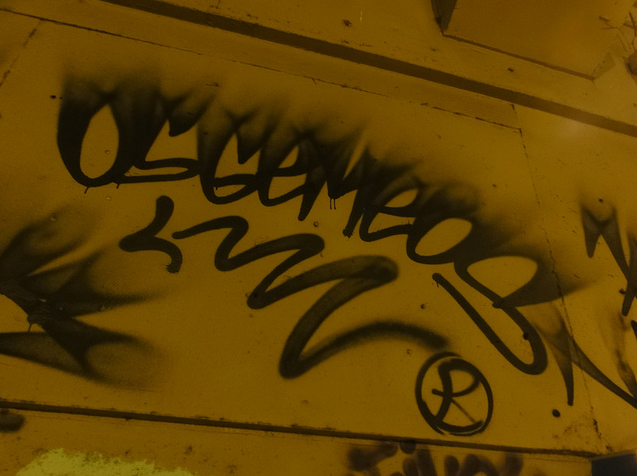
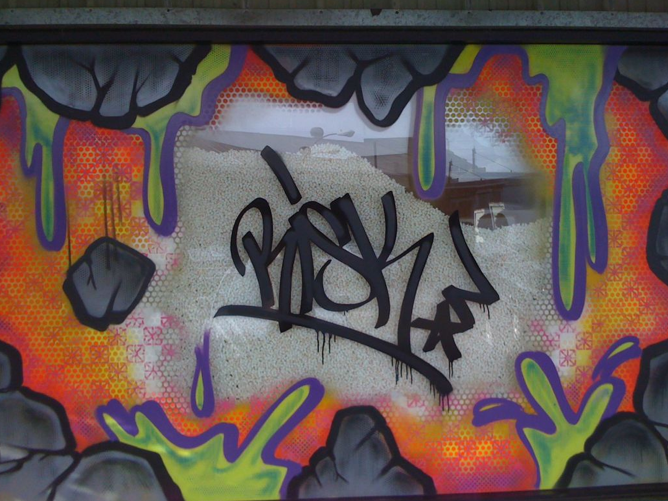
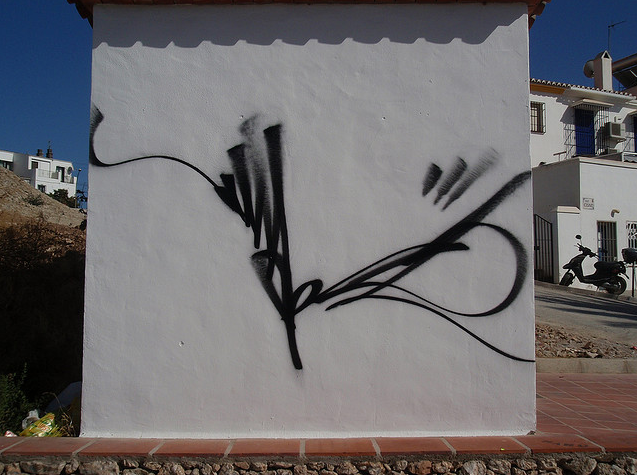
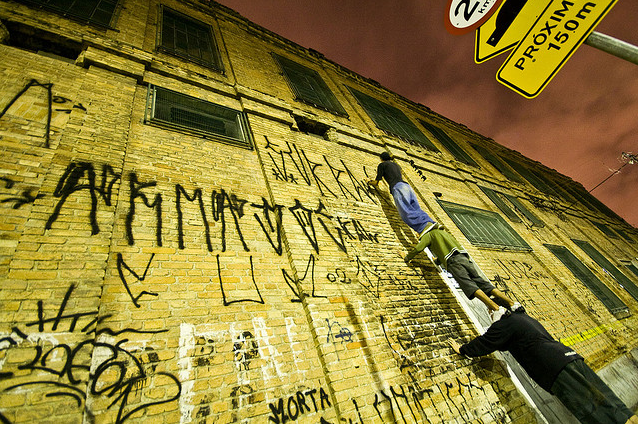
Tag is the most basic form of graffiti, is basically the graffiti artist signature. There's even a classification for the one who just do tags: tagger. A tagger is considered, in most of the cases, a inferior graffiti artist who tag he's street name everywhere, but lacks in drawing skills and/or creativity. Most of the street artists start their career as a tagger, then start developing a style from that. Tags can be done in such a enormous range of styles because they can be done with a large range of tools, from spray cans to markers or even clay. Let me show you some classic and stylish tags:

Os Gemeos
Os Gemeos's Tag

Risk
Risk's Tag


Amarzz's tag
Amarzz's tag


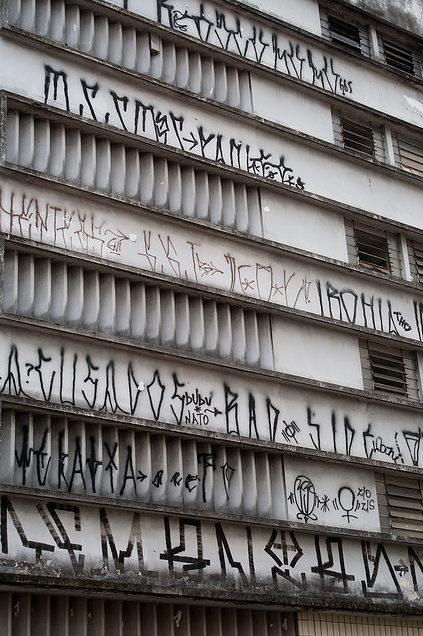
In Brasil we got a really unique type of tag, we call it "Pichação". Pichaçhão or Pixo is quite different of the tags developed in north america and europe, mostly because of the media that it was originaly produced: the paint roller. By the time the first graffitis started to appear, spray cans were very expensive in my country and so it was way better to use latex paint mixed with water, in order to last longer and do more tags. The taggers tried to develop an unique typography, influenced by CD and book covers, helped to create what some call the "Pixo Reto", a squared and thin tag, only seem on Brasil. Here are a couple of "Pixo Reto" examples:
Foto por Marco Gomes
Marco Gomes

Photo by Fórum Latino Americano de Fotografia

Most of the tags / pichação are illegal, except the ones used in legal walls or at exibitions. The interesting thing is to observe the styles of caligraphy that can be developed, Evan Roth even made a study about it, take a look at the video bellow:

Graffiti Taxonomy: Paris, 2009 from Evan Roth on Vimeo.

Throw Up / Bomb / Scrub

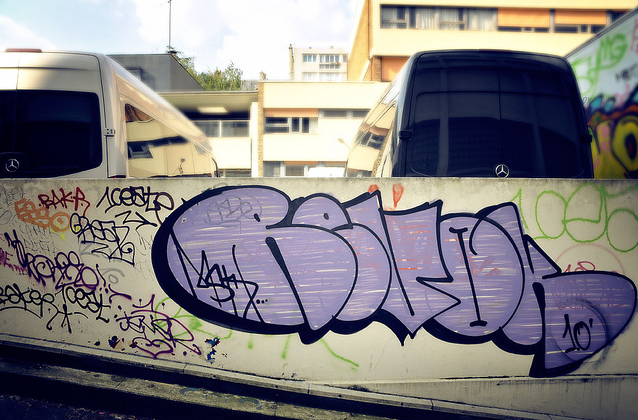
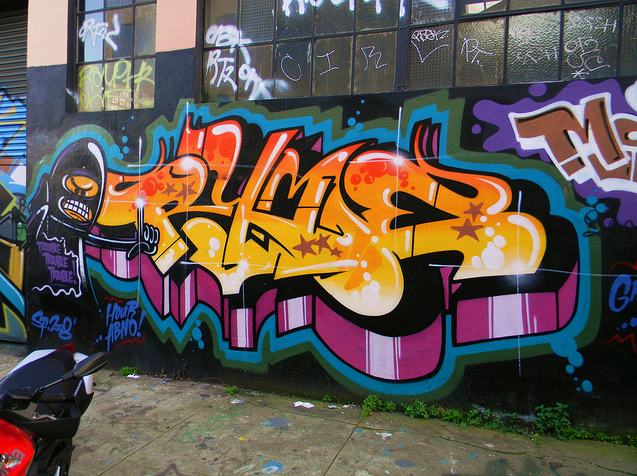
Most of you may reconize Throw Up as a bubble letters type, indeed most of the writers who practice this type of letter use round shapes, however there are many variations of it, let's see some.

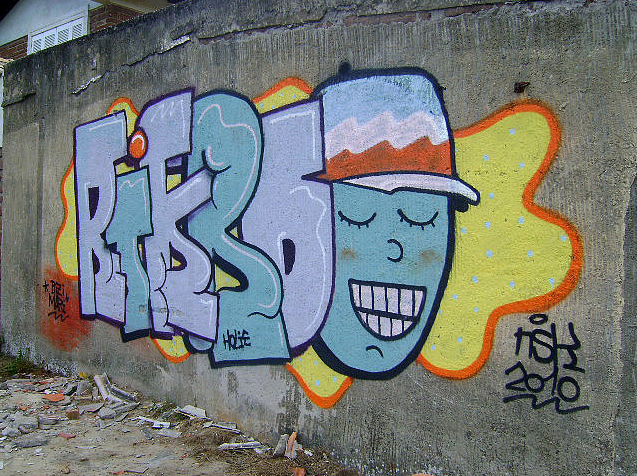
Rikardo NSK
Ricardo NKS's Throw Up

Os Gemeos
Os Gemeos's Throw Up

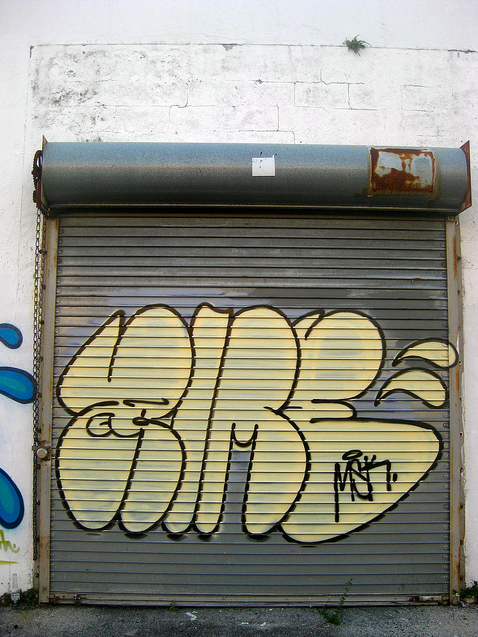
Rime
Rime

A throw up is called Scrub when the lines inside the letter body are not complete filled, like it was done on a hurry. In fact, most of the throw ups are illegal, that's part explain why they are not so elaborated as a wildstyle piece. Take a look at the one done by Revok:
Revok
Revok

So, I hope you understood a bit about throw ups, here's a good gallery with you want to see some samples.

Wildstyle / Burner

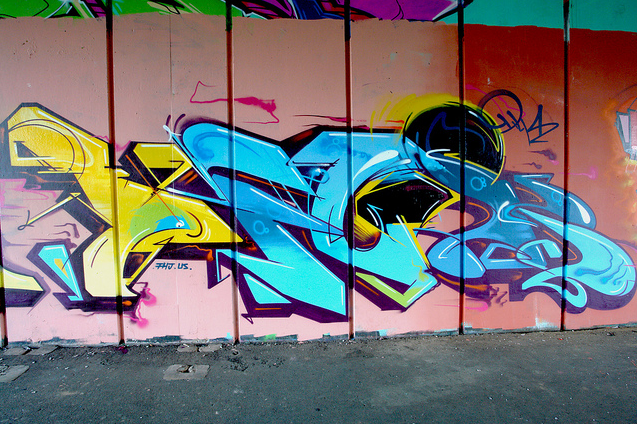
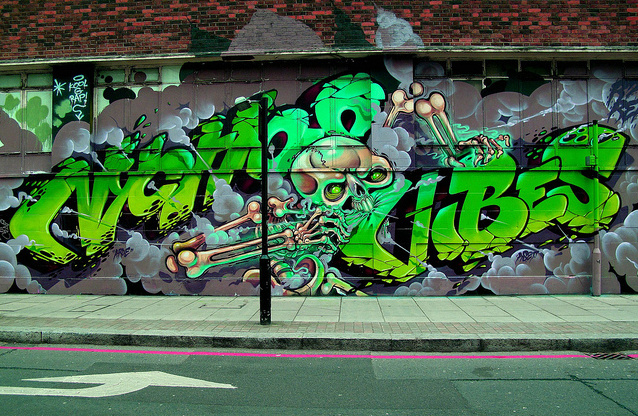
In my point of view, the wildstyle pieces are the ones that make Graffiti so memorable, because they are big scale pieces with 2 hours to even a month of work. There's no rules or a pattern when comes to wildstyle, but there's a lot of techniques that are commonly applied when you're learning how to use spray paint. 3D, Shadowning, Glows, Gradients are used by most writers while trying to develop a unique and memorable style. So, let's see some of this pieces:

Pose
Pose

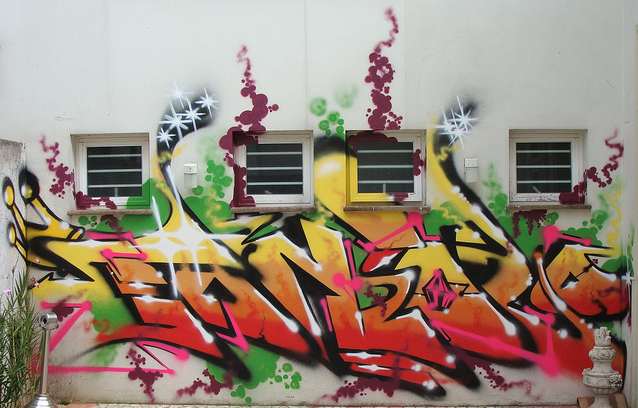
Toniolo by Sei Lá
Toniolo by Sei Lá

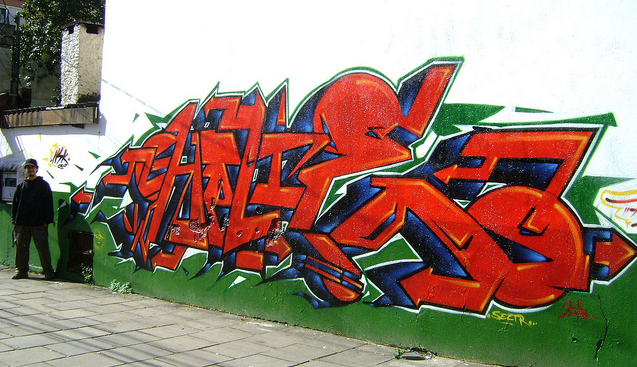
Holie NSK
Holie NSK

Dilk
Dilk

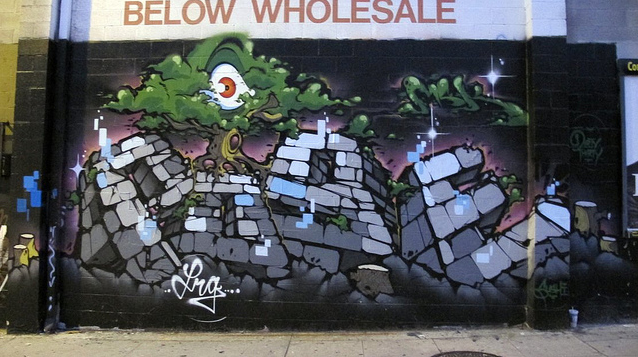
Nychos
Nychos

Rime
Rime

Here's a good glossary of terms used in the graffiti area, you should read in order to understand some slangs and terms used to describe and categorize pieces.

Tips on creating your own graffiti type

Well guys, I will try to explain to you how to do a simple process of a wildstyle piece. Of course, is really up to you to define what effects and calligraphy you're going to use, there is so many ways to do it, so this will be just a quick introduction. I know most of you probably never touched on a spray can, so what are we going to do is to try to simulate the dinamics of a street situation, using a spray can in Adobe Photoshop. However, you should try do it on real life, that's the only way to understand and learn such aspects as spray hardness, types of cap, gradients and other tricks. But I hope the following exercise can help you on some way.

Sketch

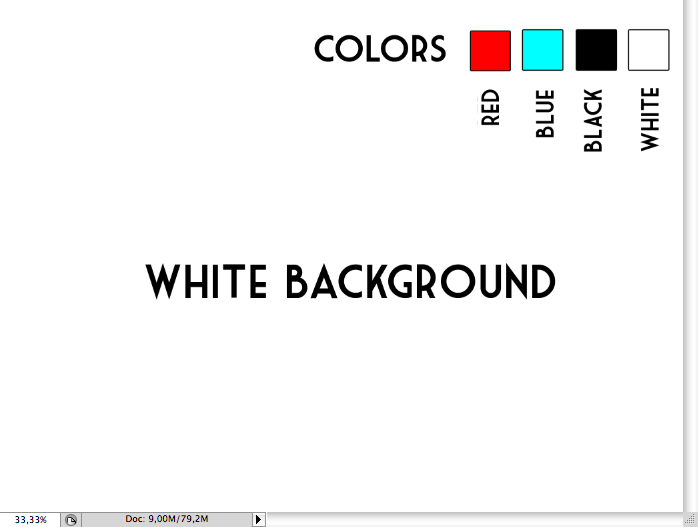
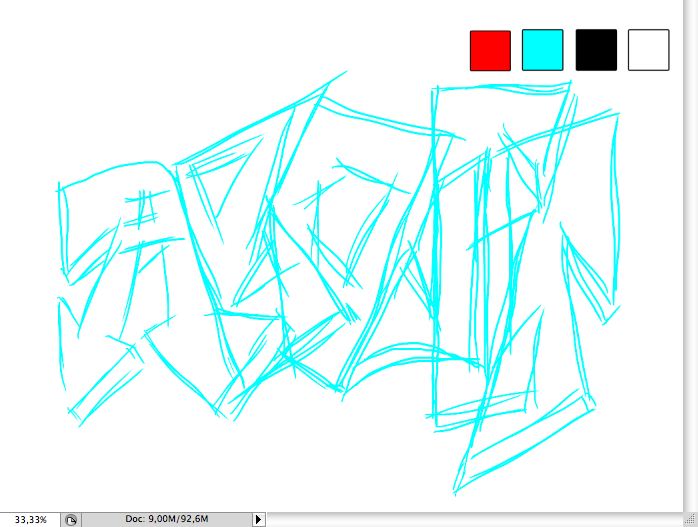
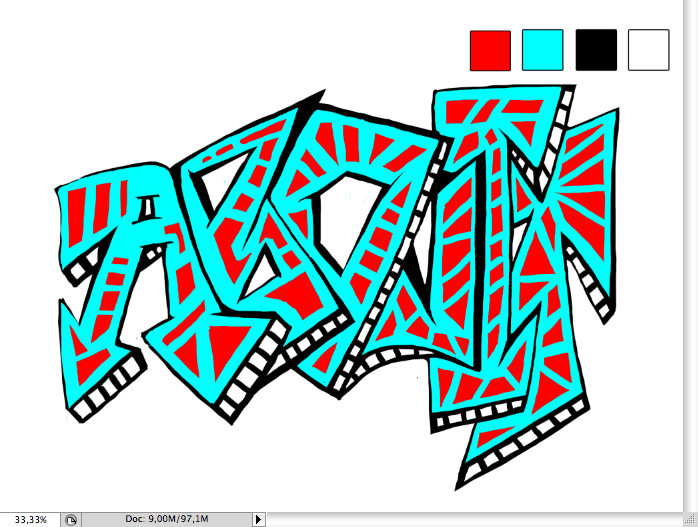
Ok, so the first thing we should do is to know exactly what we will write. Most graffiti artists write their own nick/street name, for this sample I'm going to write just "Abduct". The Sketch is basically a simple structure of the future typography, you should from now on use only the brush tool (the shortcut is the letter "B") on this exercise, no eraser or ctrl + z / command + z, you will understand it soon. Set a color for the background, try using white on, somehow it seems to be easier to create on it. Now, define 4 colors to use, think it as spray cans, on the beginning is way better and cheaper to use just a few colors. Always use the same color of the background, because this will be used as a eraser in real life.

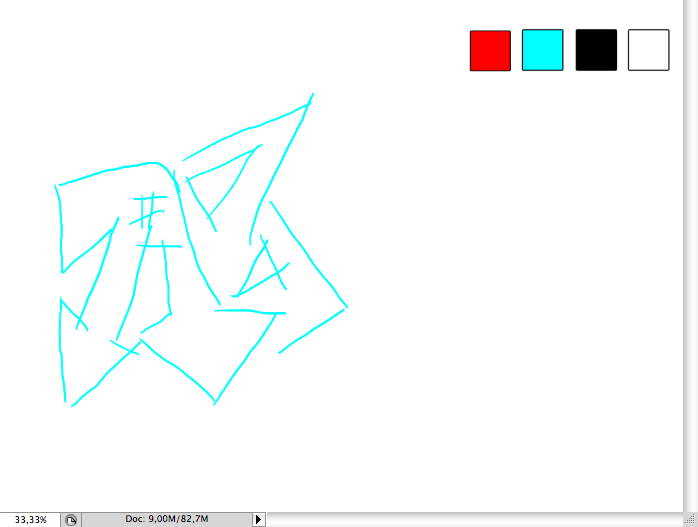
Let's try to draw the letters using a close tracking, use a 10 px brush, If you have a tablet this will be way easier, but If not you sould try it with mouse, it's not that harder. Use the color you want to use for the letter fill to do the sketch, why? Because in a real situation you would save ink by doing it. You should try some more round or really squared shapes, as I'm doing here. Remember: don't use the eraser, If you fell it's not straight or round enough, do it over the other trace, forget about ctrl + z.


Fill

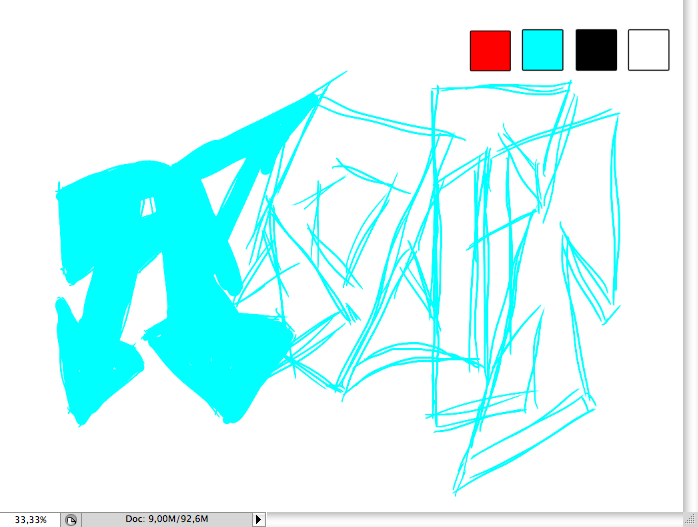
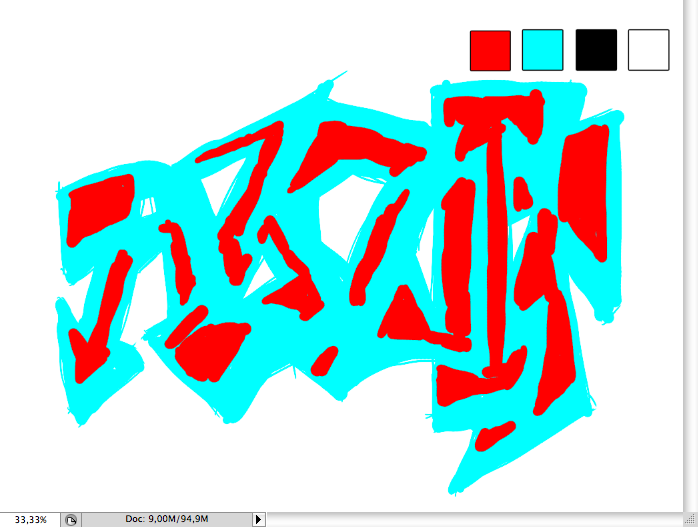
Now let's fill the letter with the color we used for the sketch, don't be afraid, you will remember what part is each letter. Let's add a second color fill inside them


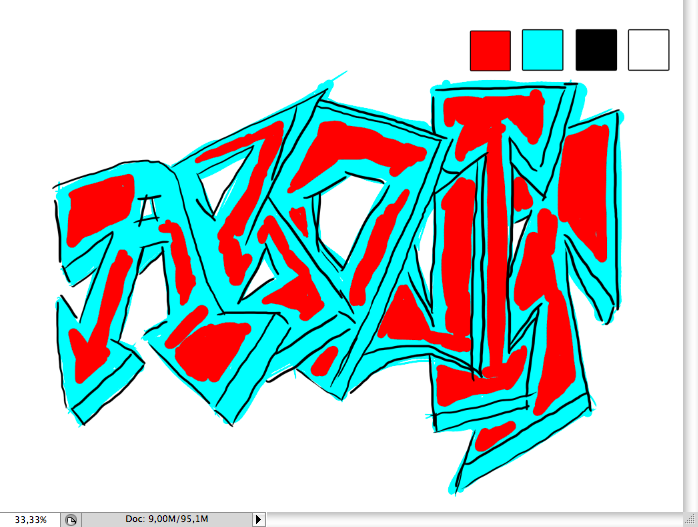
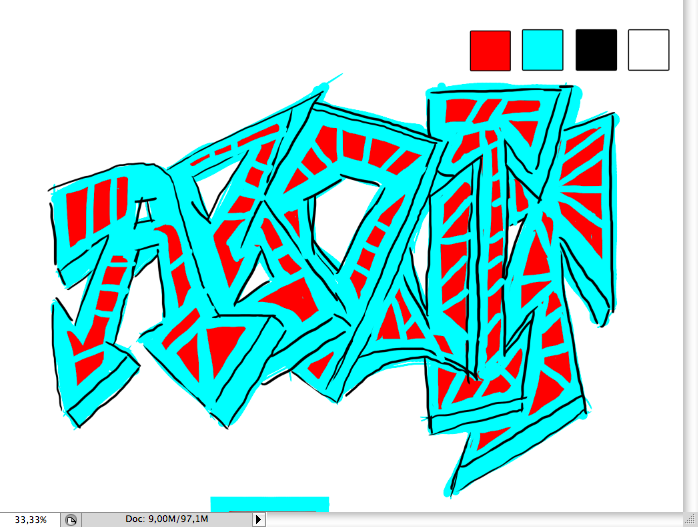
This may look really horrible by this point, but we're going to fix it on the next step. Add a really thin black stroke, just to identify each letter.

Cutting Lines

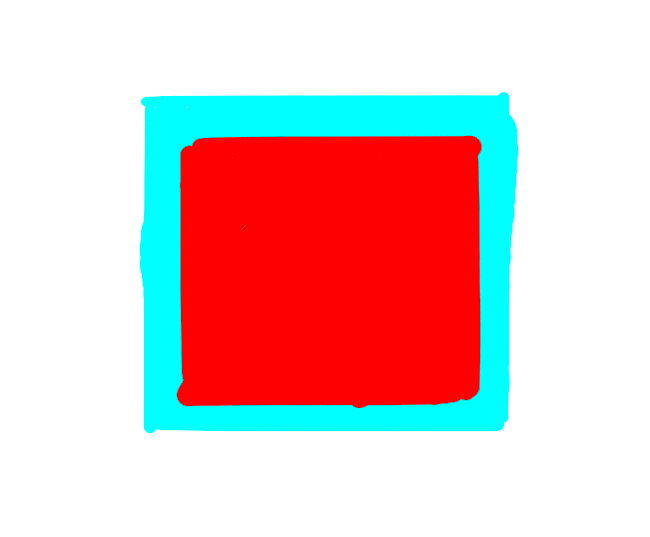
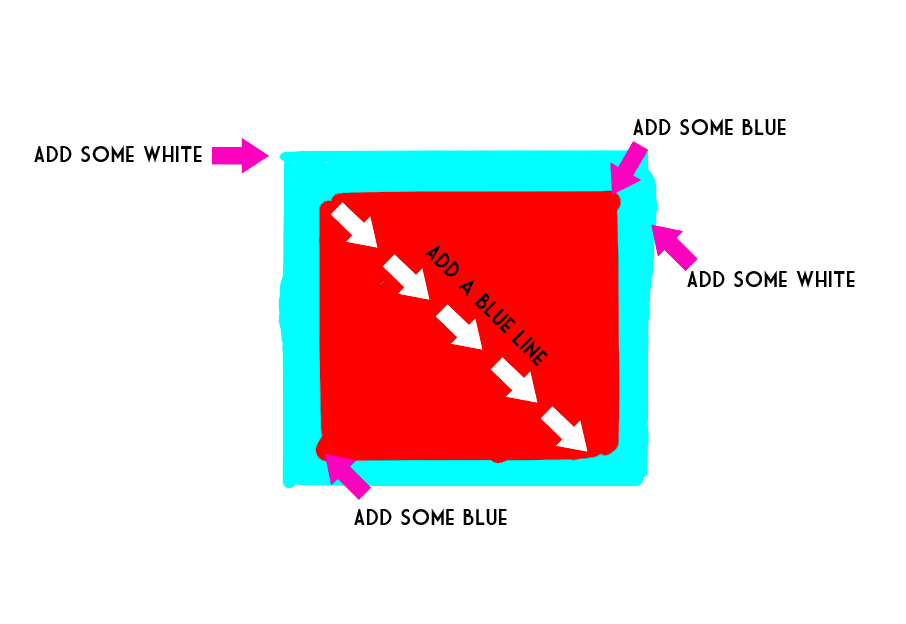
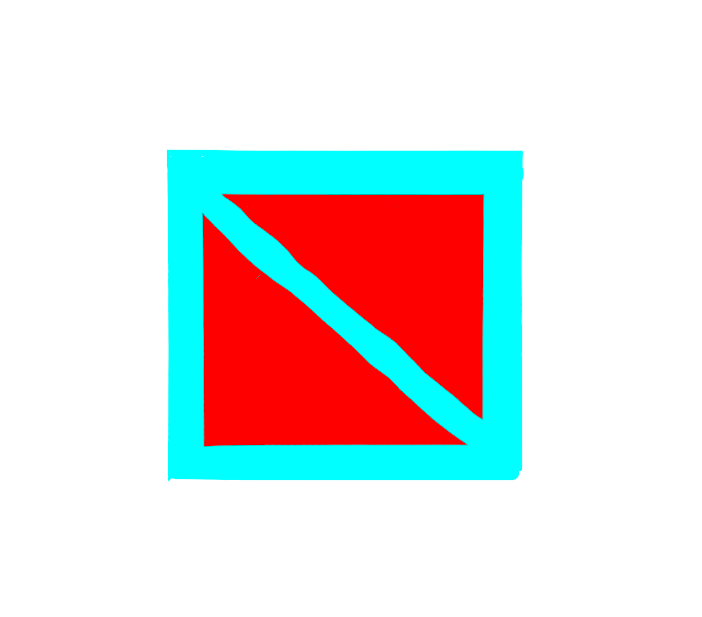
Cutting lines are probably the most used and basic technique on graffiti, why? This is actually the way to reach sharp and squared shapes, also is by doing this, you're going to make layers over in order to fix some mistakes. Let's see a simple example, I created this square with blue and red inside. I want to create two red triangles, so this is actually what I should do:


Do you get it? You're actually using the brush as a eraser to make shapes straight and hide mistakes. Although this may take a lot of time to master, you gotta try, because the results are solid. So now you're going to adjust the second fill using cutting lines.

Stroke

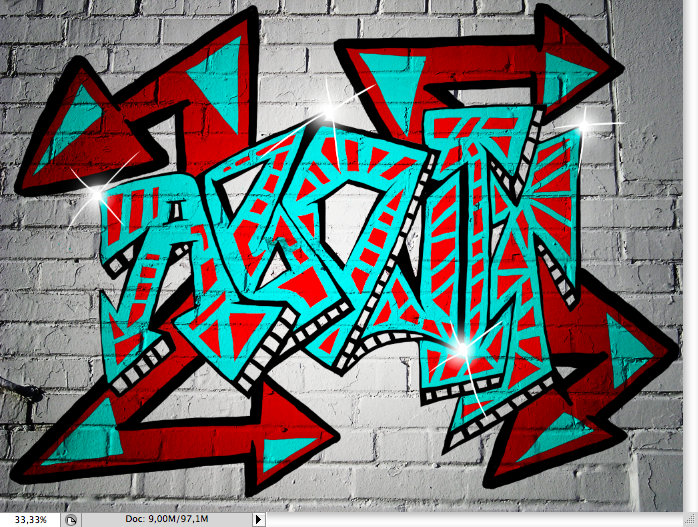
You may be asking yourselves: "Why should we do the strokes after the fill?" Well, pretty simple, because of the dripping. If you start by doing the stroke, chances are you're going to redo it many time because of the fill that may drip or blur over it. To adjust the stroke, do the same procedure here, cutting lines and patience.

Glows and Lights

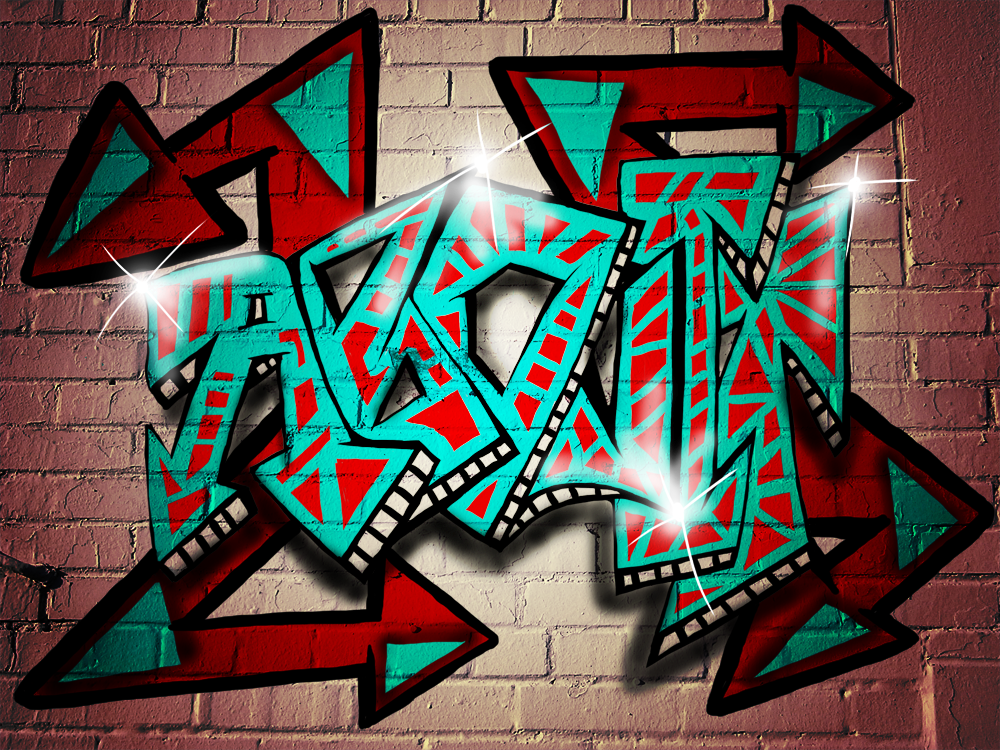
Most graffiti artist really enjoy adding some glow and lights to the pieces, it looks really cool indeed. Let me show you just a simple tip: make an "X" with a white color, then use a blurry brush and here it go. This is quite simple, but as you keep evolving you can learn a lot about lightning and shadows.

Final Considerations

I hope you learned a lot today, not just the types of graffiti, but also learned a bit how to do this kind of typography. There're no rules or guidelines when it comes to graffiti, the most important thing it's to try and push things to another level. That's it folks, I will try to make another posts about the subject, explaining other techniques and stuff, work hard and have fun.

About the author

Hey buddies! I'm Marcos Torres, a 20 years old art director/freelancer from Brazil, I'm here to bring some new interesting stuff to you. You can see my portfolio at http://flickr.com/marcostorres. Any request or jobs opportunities send to marcostorres90@gmail.com, also follow me on Twitter http://twitter.com/marcos333 to get in touch with cool design news.

As Placas Toynbee

toynpeq
Enviado por Marcelo Martinez

Um pequeno (ou seria grande?) mistério ronda as américas desde os primeiros anos da década de 90: Trata-se das Placas Toynbee (Em inglês Toynbee Tiles), que são pequenas placas contendo estranhas mensagens que foram surgindo gradativa e misteriosamente nos asfaltos de avenidas movimentadas.
Com uma misteriosa mensagem, um autor obscuro e referências intrigantes, essas placas têm deixado alguns aficcionados eufóricos.
Tudo começou quando transeuntes começaram a notar o surgimento de pequenas placas cravadas nas avenidas da Filadélfia. Ninguém sabia como eram colocadas, por qual motivo e por quem. O conteúdo das placas intrigava mais ainda as pessoas e as coisas ficaram mais estranhas ainda. 

Acompanhe:

AS PLACAS

toynbee_tile_near_white_house_2002Feitas de material indeterminado, elas aparentemente são fabricadas de forma manual, cortando o material para formar as letras e colocadas sobre ruas recém asfaltadas para que a placa seja cravada no chão (Alguns dizem que existe uma técnica em que o asfalto não precise estar “fresco”, e que basta fixá-la com cola forte e o peso dos automóveis faz o resto).

A MENSAGEM

A maioria das placas trazem basicamente a mesma mensagem:
Toynbee idea in Kubrick´s 2001 ressurrect dead on planet Jupiter
O que significa em português (aprox.): A idéia (de?) Toynbee em 2001 de Kubrick (ou “filme 2001″ em algumas placas) ressucita morto(a?) no planeta Júpiter. Em algumas placas, a palavra “Kubrick” é trocada por “Movie”
Uma placa, aliás, foi encontrada no Rio de Janeiro, com os dizeres:
Toynbee idea in cine’ 2001 resucitar morto sul planet Jupiter (sic)
f_rio_07
Os erros e péssima tradução dessa placa, sugerem que além de ter vindo até ao Brasil, o autor das placas não sabia falar português. Outras placas foram encontradas no Rio mas já foram destruídas (voltaremos a isso em breve).
Algumas placas, além da mensagem principal, contêm também outras mensagens em letras menores, todas hostilizando os jornalistas, com dizeres como “Matem todos os jornalistas por favor” ou “Espalhem essas placas, a mídia americana está aliada com os soviéticos”.

AS LOCALIZAÇÕES

Foram encontradas placas em várias cidades dos EUA, em Santiago (Chile), Buenos Aires (Argentina) e Rio de Janeiro (Brasil).

O ORIGINAL E OS COPYCATS

Após o surgimento das primeiras placas e em seguida com o crescimento e a acessibilidade da internet – e consequentemente a disseminação rápida de notícias, outras placas com dizeres um pouco diferentes, forma e fontes também diferentes, sugerem que imitadores continuaram o trabalho do autor original.
No início as placas eram praticamente idênticas, diferenciando-se unicamente por cores ou mensagens “extras”. A semelhança da placa carioca com as originais americanas, mostra que trata-se, sim, do mesmo autor (que viajou bastante para pregar suas placas).
Por isso continuaremos daqui ignorando as placas mais modernas e focando exclusivamente nas prováveis originais encontradas nos anos 90.

AS PRIMEIRAS PLACAS

Os primeiros registros de placas encontradas, datam de 1993, mas é muito provável que já tenham sido cravadas ainda nos anos 80 e continuaram surgindo até alguns anos depois de 1990.

A LIGAÇÕES E AS REFERÊNCIAS

As mensagens claramente fazem referência à Toynbee e ao filme 2001, Uma Odisséia no Espaço (Maravilhosa obra de Stanley Kubrick, baseada nos escritos de Arthur C. Clarke). A referência sobre ressurreição de mortos no planeta Júpiter, pode nos levar também ao filme 2001 (lembram da missão para Júpiter?), mas também pode fazer referência à coisas mais intrigantes que veremos mais à frente.
Mas voltemos ao início: Toynbee? Provavelmente trata-se de Arnold J. Toynbee (1889 +1975), um historiador que divulgou teorias relativamente curiosas sobre o nascimento e queda das civilizações. O historiador pode ser facilmente ligado ao filme de Kubrick. Veja algumas de suas teorias:
As chances de sobrevivência da raça humana eram bem maiores na época em que éramos indefesos contra tigres do que hoje, que somos indefesos contra nós mesmos
Civilizações morrem por suicídio e não por assassinato
Eu não creio que as civilizações têm que morrer, pois não são organismos e sim produtos de desejos
As pistas, suspeitos e suas possíveis inspirações
Quem e por quê? Perguntas até hoje sem respostas. Mas que tal desenterrarmos algumas obras dos anos 80, como Goldberg Street (publicado anos antes da primeira placa ser encontrada) onde David Mammet em uma de suas peças escreveu o seguinte diálogo:
Entrevistador: Olá, você está no ar.
Ouvinte: Olá, Greg, como vai você?
Entrevistador: Estou bem.
Ouvinte: Que bom. Greg, é um prazer falar com você…
Entrevistador: Qual o seu problema?
Ouvinte: Greg, nós precisamos de ajuda para divulgar seu plano. Nós estamos tentando unir nossa organização e conseguir levantar dinheiro para contratar uma firma de relações públicas como a Wells and Jacoby para divulgar nossa organização (PAUSA). Aonde nós vamos ARRUMAR o dinheiro …?! Eu não sei…
Entrevistador: Para divulgar sua…
Ouvinte: No filme 2001, baseado nos textos de Arnold Toynbee, eles falam sobre o plano…
Entrevistador: Perdão, perdão, mas o filme 2001 foi baseado nos textos de…
Ouvinte: …toda vida humana é feita de moléculas…
Entrevistador: …foi baseado nos textos de Arthur C. Clarke…
Ouvinte: Toda vida… não, Greg, se você examinar…
Entrevistador: … ele foi baseado nos textos de Arthur C. Clarke…
Ouvinte: Oh, Greg, não. Nós temos a …
Entrevistador: Bom, continue.
Ouvinte: … nós temos os textos.
Entrevistador: Tudo bem, continue.
Ouvinte: Greg. Nos textos de Arnold Toynbee ele discute uma peça aonde toda a vida humana poderia ser facilmente reconstituída no planeta Jupiter.
Seria o autor um suspeito? Ou sua peça uma inspiração para o autor das placas? Ou a coisa vai mais longe ainda e se une à outras pistas? Vejamos então a publicação The Toynbee Convector.
The Toynbee Convector, de Ray Bradbury, é uma história de ficção científica publicada mais ou menos no ano em que presume-se que as placas começaram a surgir (suspeito, não?). A obra fala de viagens no tempo, humanidade e civilização (conectando-se às idéias de Toynbee sobre as civilizações, razão do título do livro).
Seria Ray o autor das placas ou somente outra inspiração?
Tudo indica que o autor das placas era da Filadélfia, e para fortalecer essa suspeita, numa das placas que apareceram no Rio de Janeiro, havia -além da mensagem principal- uma mensagem pedindo para escrever para um endereço na Filadélfia, EUA:
Escriva: Toynbee A, 2624 S. 7th Street Phila, PA, 19148-4610, USA
Foto: T.Teixeira
Para surpresa de muitos, o endereço era autêntico. Várias pessoas foram até o endereço informado nessa placa, mas não eram atendidas. Uma vizinha afirmou que o proprietário da casa não falava com ninguém, mas também disse ser pouco provável que ele fosse o autor das placas Toynbee.
Ninguém sabe. Mas muitos dedos têm sido apontados para um outro homem chamadoJames J. Morasco.
Morasco, da Filadélfia, é o principal suspeito por causa de uma entrevista que ele deu em 1983 para um jornal local, onde ele afirmava que Júpiter poderia ser colonizado enviando as pessoas mortas da Terra para lá, para que assim eles ressucitassem (doido varrido?).
Quando tentaram contactar Morasco, em 2001, por telefone, sua esposa afirmou que um câncer tinha destruído suas cordas vocais e ele não podia falar. Mas insistiu que seu marido não sabia nada sobre as tais placas. Em 2003 Morasco morreu.
E o mistério continua…

A HIPÓTESE CRIADA PELO LABORATÓRIO DE PESQUISA DE LÖWENTTUR

Sim, eu tenho uma hipótese. (Pra quem não sabe, Löwenttur é o castelo-sede do Escriba Cafe no mundo imaginário)
Na verdade não é uma solução, e sim uma linha de raciocínio para o significado da placa, que se baseia no idéia de que os dizeres são uma mensagem criptografada, e que, a placa do Rio de Janeiro, não está escrita daquela forma por erro de tradução para o português (ou espanhol) mas sim porque foi a única forma de traduzir parcialmente sem comprometer a criptografia.
monolitoOutra relação que faço é com o filme 2001. Lembram-se dos monolitos? Talvez as placas tentem fazer uma analogia à eles (EUA, Chile, Brasil, Argentina X Terra, Lua, Júpiter, Quarto do Tempo).
E também creio que o endereço citado na placa do Rio seja a mais importante pista.

CONCLUSÃO

Seria interessante haver uma explicação profunda e enigmática para as placas Toynbee, mas enquanto evidências mais concretas não surgem, os laboratórios de pesquisa de Löwenttur continuam ainda aceitando a teoria de que as placas foram feitas por alguém com tempo livre e talvez algum distúrbio mental ou necessidade de aparecer (E já existem suspeitas de que elas foram feitas por um artista plástico).

fonte: http://www.escribacafe.com/as-placas-toynbee-toynbee-tiles/